Memo to OTTA Board from
Lynn Krohn, Chairman of Neighbor's Committee
October 1980
"Problems
The negative environmental
effects of the restaurant became most apparent after the restaurant closed.
The neighbors were able to open their windows and enjoy their outside spaces.
The neighbors expressed dread of a new restaurant and, as they compared
notes, the extent of the negative environmental effects became apparent.
Most of the neighbors
were aware of the cooking odors. The odors were, in some cases, merely
an annoying nuisance. In other cases, the odors drove the neighbors
inside and necessitated closed doors and windows. Another problem
coming from the upper areas of the 1820 building was the airborne fecal
matter -- this resulting from the use of the upper level as a dog run.
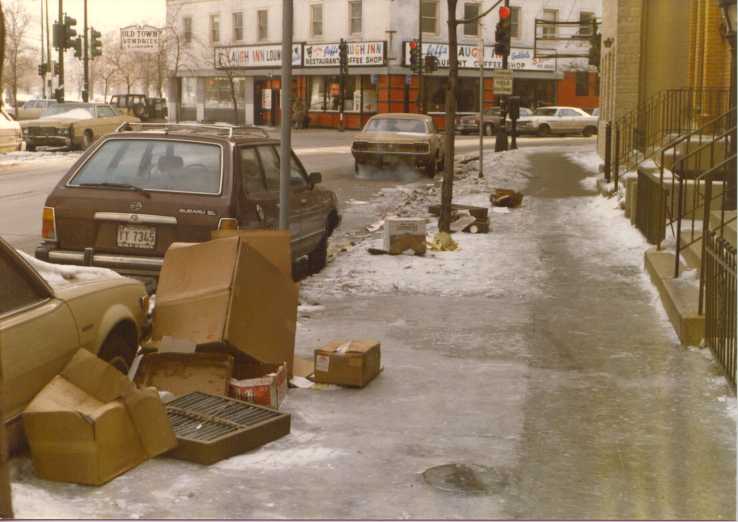
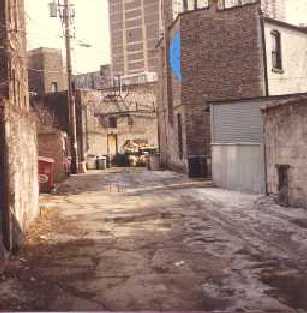
Many problems occurred
because of poor garbage management. Sometimes renters used the garbage
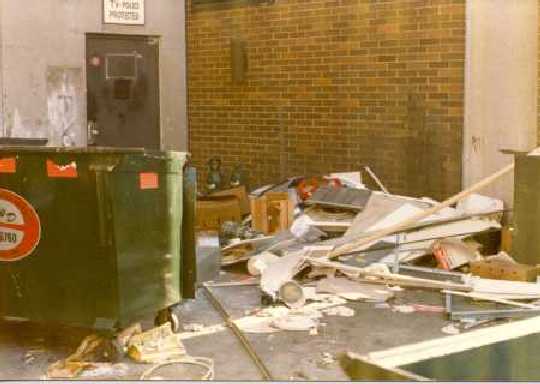
facilities belonging to Lincoln Ave. neighbors. In the rear the dumpster
lid or lids were generally open and unsightly, smelly garbage often spilled
over into the alley. This not only caused a rodent problem in the
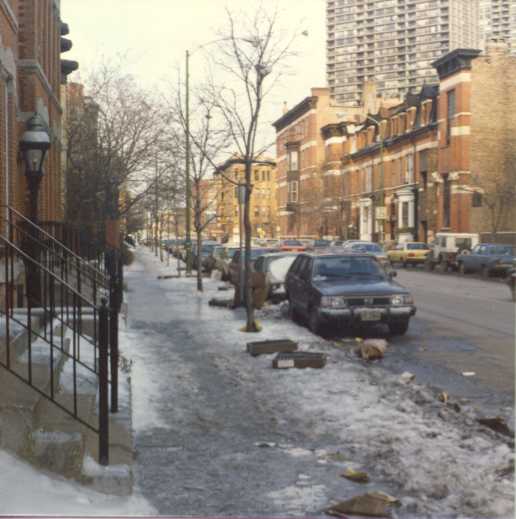
alley, it also blocked vehicles from passing in poor weather. During
cold weather, the garbage was frozen into the snow and could not be picked
up. In better weather, the garbage along with grease spills, which
occurred regularly, attracted flies. There were no flies this summer.
There were no garbage or cooking smells this summer. As one neighbor
put it, 'without the flies and odors, we could use our outside patio again'
. . . .
|
| The garbage trucks
along with the various daily delivery trucks compounded problems.
It was difficult for residents to get to and from their off-the-street
parking places. The noise level caused by the trucks in the alley
was more typical of a commercial area than of a residential area.
The noise level was also a result of the various motors and air conditioners
on the 1820 building roof. Without the trucks and the building motors,
the alley seems quiet in spit of the fact that there are two weekly garbage
pickups and a variety of other delivery service trucks . . . .
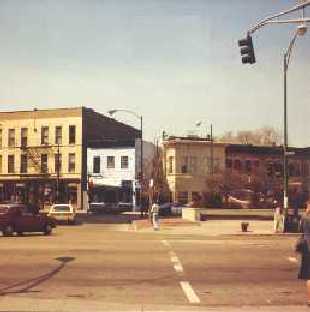
The negative environmental
effects occur not just in the air and in the alley but are also apparent
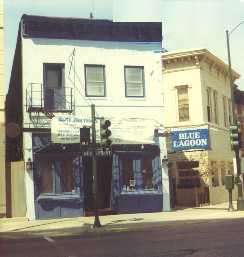
in the front on Lincoln Avenue. Lincoln Avenue neighbors experience
noise and traffic problems associated with the use of 1820 as a restaurant.
Traffic can flow smoothly if the No Parking signs in front of the stop
sign are observed. When restaurant patrons park their cars in those
areas, the flow of traffic is poor and this attended by the revving of
engine honking, exhaust odors, etc.
Neighbors along Lincoln
Avenue also experience discourteous behavior of bar patrons. This
includes
rowdiness and gifts of garbage -- anything from empty glasses to extra
neckties. These experiences have noticeably decreased after the 1820
restaurant closed . . . ." |