 MALE IDENTITY IN TRANSITION
GENERAL ACTIVITIES:
|
|
|
|
|
|
|
|
|
|
|
|
|
|
|
|
|
|
|
|
|
|
| General
Activities: Each week, students are
responsible for completing the following activities.
1) Review the course
"Learning Objective" for that week.
1) Weekly Learning Objectives: Each objective is tied to the reading and activity assignments for that week. These objectives will guide the class through the exploration process of male identity and factors that influence male identity. The learning objectives will also be the focal point of interactions students share in their competence group discussions each week. 2) Reading and Activity Assignment: Students are to complete the week's reading assignment and/or activity before posting messages. Please review the reading assignments for entire quarter in the beginning to understand the workload and direction the class will take in developing competence. 3) Online Discussion: Each week, students are to read previously entered messages and log an entry to the discussion group for each competence taken in the class. This means that if you are taking the course for two competencies, you would post messages to both of those competence groups. Students are to review the message board from the previous week and add any final comments to that discussion before addressing the topic for the current week. Access to the discussion group can be gained from the "Course Activities Main Menu" page or can be bookmarked for later access. The link titled, "Direct Access to Blackboard Discussion Groups," will take you to the DePaul Blackboard course management tool. You must create an id for yourself on the system, logon and register for the course before being allowed access. There are complete instructions on how to do these things and DePaul technical support through email or by calling the DePaul Help Desk at 312.362.8765. Discussion questions, issues, and topics for each competence can be found in the "Weekly Objectives" section of that competence learning activity page. Student's are to write between one and three paragraphs for each week's entry to each of their competence groups. After that, students have the option of adding responses to the discussion or may choose to converse with each other through separate email interactions. The instructor will monitor the discussion groups and add input as necessary. If students have questions or concerns at any time, they may email them to the competence group or the instructor. They may also address their questions directly to the instructor at any time. Top Course Links: Students are asked to search and collect relevant Internet sites to share with the class. These links may relate to general men's issues, to one of the competence learning statements or to one of the weekly course themes. The links will be captured and organized by the instructor and can be accessed through the course links connection on the course main page. When students find new appropriate links to add to the course list, they should email the URL and a one sentence description of the site to the instructor to be included on the list in addition to sharing them with their competence group. Likewise, if students notice that some links have been outdated, they should notify the instructor as well. Top Competence Demonstration: Students will demonstrate their competence through participation in their discussion groups and development of the their final projects. The online discussion, facilitated through DePaul's web based "Blackboard" course management system, will be the main mode of communication between the student, classmates and instructor. Each week's discussion will be the primary means for the student to demonstrate the learning (competence) that they are achieving through their reading assignments, web research and personal observations during the quarter. Students are to share questions, insights, clarifications and observations gained as well as reporting on the progress they are making on their final projects. Each student is to participate in the discussion group for each competence taken in the course. Students are to produce a final project related to each of their chosen competencies. This means that if you take the course for two competencies, you will submit a final project for both. An explanation of the final project for each competence can be found on the page describing the activities and objectives for that competence and be accessed through the "Course Activities Main Menu". Top Grading and Assessment: Each competence taken will be assessed a letter grade using plus and minus distinctions. There are three aspects of the student's participation that contribute to the final assessment of grades. Those are: 1) 25% - Quality of contributions to weekly
discussion groups:
2) 25% - Quality of responses to weekly discussion
groups.
3) 50% - Quality of final project.
Week One: Examining Male Identity Learning Objective: Students
will become familiar with course content, activities and objectives and
begin examining the meaning and implications of masculinity
 Reading and Activity
Assignment:
2) Review the entire "Male Identity in Transition"
web site including:
3) Begin surfing some of the web sites related to the course content found on the "Men's Links" section on the course Home Page. Be sure to bookmark those pages that you wish to return to later and/or share with your groups. 4) Post messages to your discussion groups.
Top
 Learning Objective: Students will assess the influences that have contributed to their understanding of gender roles by examining their experiences in relation to gender role models and theories. Reading and Activity
Assignment:
2) Post messages to your discussion groups.
Top
Reading and Activity
Assignment:
2) Review the attached report on Men's Health, Alcohol, Homelessness, Crime and Suicide Statistics. 3) Explore web sites that relate to men's health issues. Bookmark or save any information you may want to use later for your final project or anything you want to share with your competence groups. 4) Post messages to your discussion groups.
Top
Week Four: Psychological Perspectives of Male Development Freud: 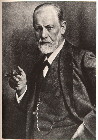 Jung:
Jung: 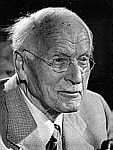 Erikson: Erikson: 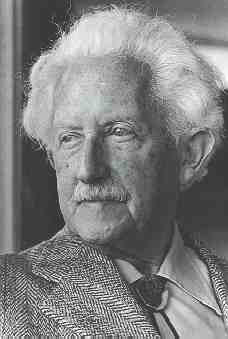 Learning Objective: Students will examine psychological theories in relation to male development and relate them to each competence area. Reading and Activity
Assignment:
2) Post messages to your discussion groups.
Top
Learning Objective: Students will examine social and cultural issues that influence male development and generate examples of these forces at work in their lives through observations of experience. Reading and Activity
Assignment:
2) Examine web sites that illustrate the issues presented in this week's readings including social and cultural influences, in particular the media, for your final project and/or to share with your group. 3) Post messages to your discussion groups.
Top
Learning Objective: Students will explore men's experience with expressing emotions, mental health and counseling and determine how issues related to each competence statement encourage or inhibit these experiences. Reading and Activity
Assignment:
2) Explore web sites that relate to men's Mental Health issues. Bookmark or save any information you may want to use later for your final project or anything you want to share with your competence groups. 3) Post messages to your discussion groups.
Top
Learning Objective: Students will examine theories and perspectives of men's experience with relationships and sex lives and draw from examples of their own experiences to challenge or support those theories. Reading and Activity
Assignment:
2) Subscribe to a pornographic web site. Just kidding. Explore web sites that relate to male sexuality. Bookmark or save any information you may want to use later for your final project or anything you want to share with your competence groups. 3) Post messages to your discussion groups.
Top
 Learning Objective: Students will explore the origins and characteristics of male violence and relate them to appropriate aspects of the competece areas. Reading and Activity
Assignment:
2) Post messages to your discussion groups.
Top
Learning Objective: Students will examine men's experience in the workplace and relate these observations to everyday workplace situations. Reading and Activity
Assignment:
2) Explore web sites that relate information on men in the workplace. Bookmark or save any information you may want to use later for your final project or that you may want to share with your competence groups. 3) Post messages to your discussion groups. 4) Complete an submit the Course
Evaluation. Please attach it into an email message or print it
and send it to the instructor at the School for New Learning, Room 319
Lewis Center, 25 East Jackson, Chicago, Illinois, 60604. Top
Week Ten: Future of Masculinity  Reading and Activity
Assignment:
2) Complete and submit your final projects for each competence you have taken in the course. 3) Post messages to your discussion groups including your conclusions on the topic from the perspective of each competence as well as your concise definition (one or two sentences) of what it means to be a man in today's society. 4) Enjoy your experience with the men in your life and continue to examine how gender, media and demographic factors influence your experience and perspectives. If you would like to continue your learning on this or a related topic, contact the instructor and thank you for your participation. Top
|