The Building Blocks of Web Applications
(Note: Information in the sub directories(only) following this, is from the IBM website.)
Web applications are applications that leverage Web clients (such as Web browsers), Web application servers, and standard Internet protocols. They also typically leverage existing applications and data from external non-Web services. The figure below illustrates the major elements of the Web application topology. It is important to note that the Web application server and external services are logical tiers capable of running on the same physical machine. In addition, functionality on the Web application server can be spread across multiple physical machines. Frequently, the front-end and business logic parts of a Web application are run on separate server machines. The Web application topology consists of:
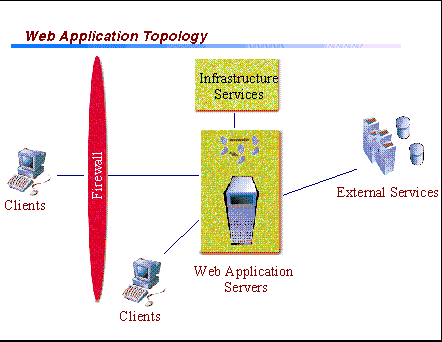
- Internet and intranet clients through which users communicate with Web application servers (using Internet standards such as TCP/IP, HTTP, and HTML) to access business logic and data. The primary role of the client is to accept and validate user input, and present results received from the Web application server to the user.
- Infrastructure services that provide the Web application server and its business logic components with directory and security services. Included in these services are firewalls, which shield an organization's network from exposure when connecting to the Internet, and prevent hackers and others from gaining unauthorized access to internal data, and computing resources.
- Web application servers that are the hubs of the Web application topology processing requests from clients by orchestrating access to business logic and data on the server and returning Web pages composed from static and dynamic content back to the client. The Web application server provides a wide range of programming, data access, and application integration services for writing the business logic part of a Web application.
- External services that consist of existing, mission critical applications and data within the enterprise as well as external partner services such as payment services, financial services, and external information services. Most often these existing applications and services control the company's core business processes.